Tuberculosis (TB): Symptoms & Treatment Guide
Understand TB: symptoms, diagnosis, treatment and recovery, from Bengaluru chest specialists.
On this page

TB Awareness & Respiratory Care
Understanding Tuberculosis
Tuberculosis is a treatable infectious disease caused by Mycobacterium tuberculosis. It most commonly affects the lungs, but can involve other organs. Early diagnosis, complete treatment and proper follow-up are essential for recovery.
Lung TB
Latent TB
Active TB
TB Diagnosis
TB Treatment
MDR-TB Awareness
What It Means
What is Tuberculosis?
TB is an infection caused by bacteria. It can remain silent as latent TB or become active disease when the immune system can no longer control it.
TB is an infectious disease
Tuberculosis is caused by Mycobacterium tuberculosis and most commonly affects the lungs.
TB can affect other organs
It may also involve lymph nodes, bones, joints, abdomen, urinary system, eyes, skin or reproductive organs.
TB spreads through air
Active lung TB can spread when an infected person coughs and releases bacteria into the air.
Latent vs Active TB
TB can stay silent or become active
The immune system may seal off TB bacteria for years. If immunity weakens, the bacteria can reactivate and cause active disease.
Latent TB
The bacteria may remain sealed off in the body without symptoms. This is called latent TB infection.
Active TB
When immunity weakens, TB bacteria can become active and cause symptoms or spread to others.
Progression risk
Not everyone exposed to TB develops active disease. Specialist evaluation helps decide next steps.
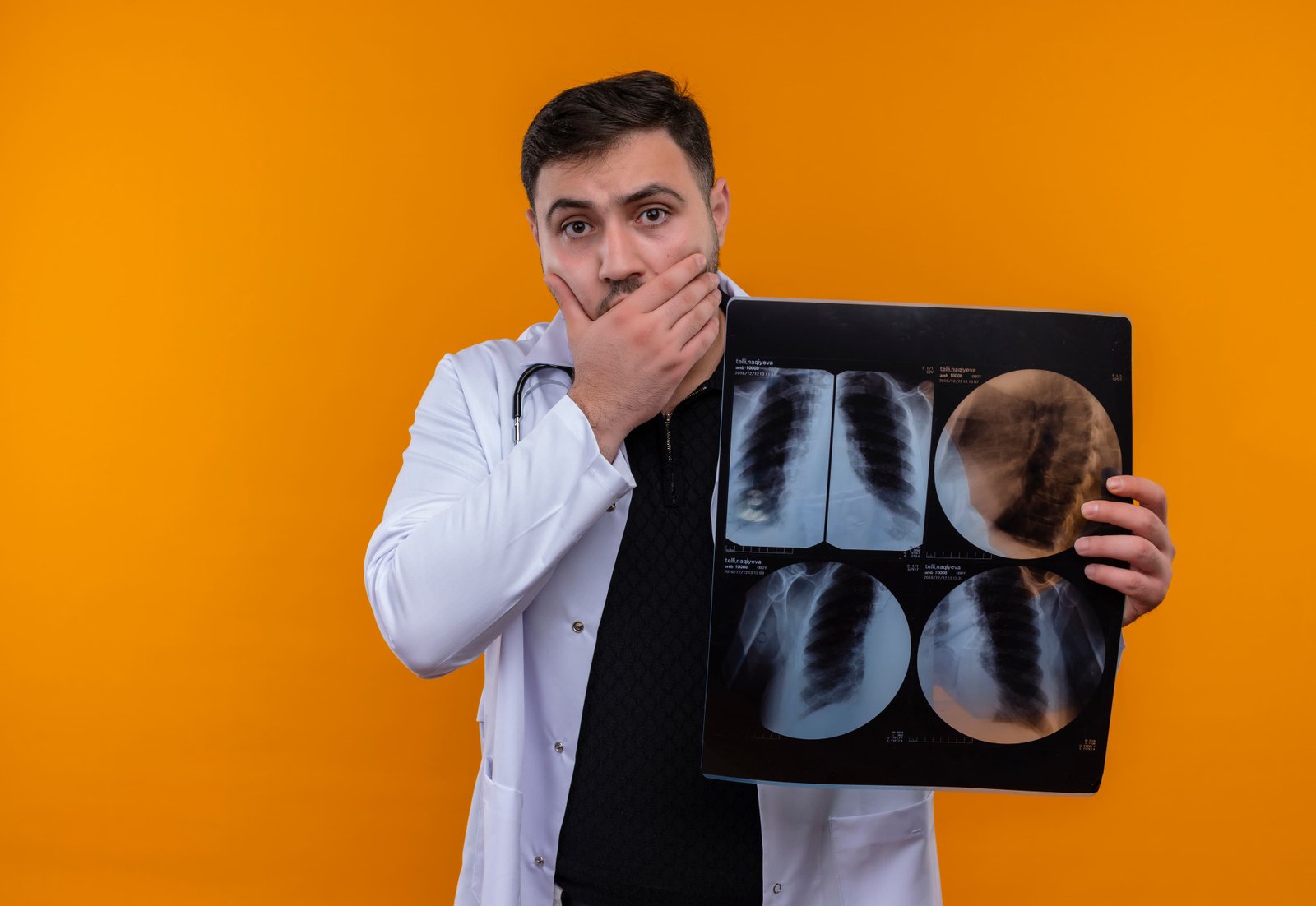
Symptoms
Symptoms of TB
TB symptoms vary depending on the organ affected. Lung TB may cause cough and breathing-related symptoms, while TB in other organs can present differently.
Persistent cough
Fever or night sweats
Weight loss or poor appetite
Fatigue and weakness
Swollen lymph nodes
Chest symptoms or breathlessness
Abdominal or urinary symptoms
Bone, joint, eye or skin involvement
Diagnosis
How is TB diagnosed?
TB diagnosis may involve clinical evaluation, imaging, sputum testing, blood or skin tests, and advanced sampling procedures when required.
Clinical evaluation
Chest imaging
Sputum test and culture
TB skin test or blood test
Bronchoscopy when required
Pleural fluid testing
Lymph node sampling
EBUS-guided biopsy when needed


Treatment
What is the treatment for TB?
TB is treated with a structured course of antibiotics. Unlike common infections, TB needs multiple medicines for a longer duration.
Minimum 6-month treatment
Longer treatment in complex TB
Never stop medicines early
Follow-up is essential
Minimum 6-month treatment
Most TB treatment requires multiple antibiotics for at least 6 months under medical supervision.
Longer treatment in complex TB
TB affecting the brain, spine, bones, eyes or drug-resistant TB may need longer treatment.
Never stop medicines early
Stopping TB medicines without medical advice can cause relapse, complications and drug resistance.
Follow-up is essential
Regular reviews help monitor response, side effects, adherence and complete recovery.
Home Care & MDR-TB
Careful treatment protects you and others
TB treatment works best when medicines are taken correctly and follow-up is maintained.
Home care & medication adherence
During the early treatment period, your doctor may advise precautions to reduce spread and support recovery.
Avoid work, school or public exposure until your doctor says it is safe.
Use proper cough hygiene and ventilation at home.
Wear a well-fitting mask when advised.
Take medicines exactly as prescribed.
Use reminders, alarms or calendars to avoid missed doses.
Attend follow-up visits and repeat tests as advised.
Understanding MDR-TB
Drug-resistant TB can develop when treatment is incomplete or not taken correctly.
MDR-TB happens when TB bacteria resist key first-line medicines.
Incomplete or irregular treatment increases the risk of resistance.
Drug-resistant TB may need longer and more complex treatment.
Correct treatment adherence is the best way to prevent resistance.
Recovery & Prevention
Lifestyle support after TB treatment
After completing treatment, healthy habits and follow-up help reduce risk and support long-term recovery.
Maintain a healthy balanced diet
Consistent care supports immunity, recovery and long-term stability.
Exercise gradually after medical clearance
Consistent care supports immunity, recovery and long-term stability.
Complete the full medication course
Consistent care supports immunity, recovery and long-term stability.
Avoid smoking and vaping
Consistent care supports immunity, recovery and long-term stability.
Inform doctors about past TB history
Consistent care supports immunity, recovery and long-term stability.
Continue regular follow-up
Consistent care supports immunity, recovery and long-term stability.
FAQs
Tuberculosis FAQs
Answers to common questions about TB spread, treatment duration, BCG vaccine, medication adherence and recovery.
TB Evaluation
Need expert evaluation for suspected TB or prolonged cough?
If you have persistent cough, fever, weight loss, exposure to TB, or uncertainty about test results, a structured respiratory evaluation can help guide diagnosis and treatment safely.
Vaayu Chest & Sleep Specialists
Ground & 3rd Floor, 37/17, 10th Main Road, 5th Block, Jayanagar, Bengaluru 560041, Karnataka, India. Telephone +91 63649 28680. Email admin@vaayuchest.com.
Book an appointment · Contact us · Our specialists
Explore Vaayu
- Vaayu Chest & Sleep Specialists, Bengaluru
- Specialty chest clinics: asthma, COPD, ILD
- Sleep clinic: sleep apnea, snoring, insomnia
- Pulmonary and cardiac rehabilitation
- Allergy and immunology
- Preventive lung health checks
- VORIC: impact of air pollution on traffic police in Bengaluru
- Newsroom: news and announcements from Vaayu
- Research on air pollution and lung health in Bengaluru
- Social impact and community screening
- Research and publications
- Media coverage
- About Vaayu
- Contact and appointments
Website designed and developed by OneZeroLabs.